












































The United Nations International Children Emergency Fund (UNICEF) has decried the budgetary provisions for child sensitive lines including education, health, social protection and skills development in katsina State.
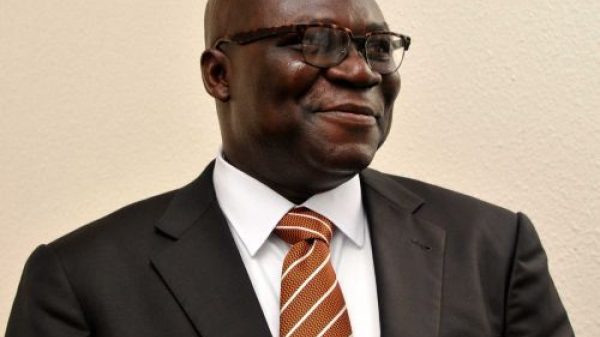
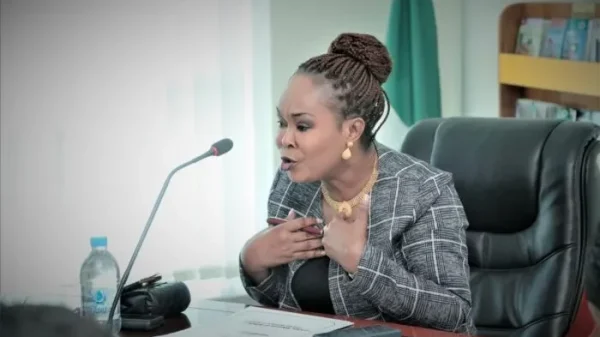
UNICEF’s Kano field Officer, Rahman Farrah, during a media dialogue on child sensitive budgeting and planning, called for Increased Investment in Children’s Welfare.
The event was organised by the UNICEF Kano Field Office in collaboration with the Katsina Ministry of Budget and Economic Planning and featured participants from ministries, departments and agencies (MDAs) as well as civil society organisations (CSOs).
The Chief of the UNICEF Kano Field Office also emphasised the urgent need to prioritise children’s needs in budgetary allocations and government policies.
He said ”The time for lip service has passed—it is now time for concrete, well-structured actions and dedicated funding to protect and empower children.
“Children are not just heirs to the future—they are the building blocks of that future. Investing in them today means building a stronger, more sustainable Katsina State tomorrow.
”’159 out of every 1,000 children die before their fifth birthday. Only 4.1% of children receive complete immunisation,33% of children do not attend primary school,75.5% of children live in extreme poverty,61.2% of children live in financially insecure households’.
”Only 23.4% of children aged 6–23 months consume nutritionally adequate diets”
”These figures are not just numbers—they represent a crisis of lost potential, weakened intellect, and denied leadership.”
The media dialogue also highlighted how child-related needs often disappear within broader departmental budgets, making it difficult to track and assess impact.
Farah proposed several recommendations that all MDAs should adopt to clearly outline child-specific programmes and funds in their budgets
He called for targeted interventions for hard-to-reach rural communities, children with special needs, those affected by conflict, and children from economically disadvantaged families.
The media dialogue also raised serious concern over the declining budgetary allocation to social sectors in the state.