

























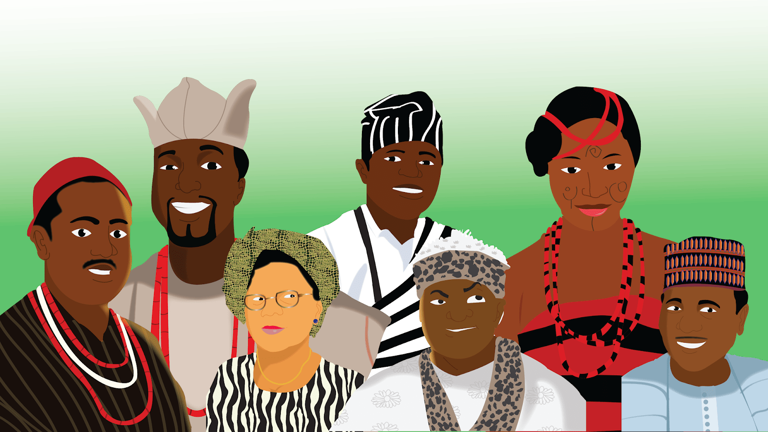
There are over 250 ethnic groups in Nigeria and they have their unique culture, values, and relationship with education.
Some tribes value education, and some others don’t, and this inequality exists particularly between the southern and northern parts of the country. Despite decades of national investment in education, Nigeria’s literacy and education levels are still quite low.
In 2022, Nigeria’s national literacy rate reached 69%, according to the National Bureau of Statistics (NBS), a modest improvement since 2007. But this progress hides vast regional and tribal disparities. , states like Yobe and Zamfara still struggle far below the national average.
Southern tribes consistently lead, while many northern communities continue to face educational barriers. Here’s the top 10 most educated tribes, ranked by youth literacy (ages 15–24) and tertiary education rates:
Top 10 Most Educated Tribes in Nigeria
Here’s a chart from Intel point summarising the top 10 most educated tribes in Nigeria as of 2024:
1. Igbo
The youth literacy is 74.2% for males and 73.1% for females, and these figures rank top for both genders among all tribes. The in Nigeria is renowned for its business acumen and entrepreneurial spirit. However, they are also highly educated and have made significant contributions to the country’s educational landscape. They have a strong emphasis on education and believe in the power of knowledge to empower their community.
2. Edo
The youth literacy formales in Edo is 74.2% and 59.56% for females. The Edo tribe, known for their rich civilisation and high migration rates, is also recognised for their commitment to education. They place a strong emphasis on the value of knowledge and learning, making them one of the most educated tribes in Nigeria. Education among the goes beyond academic achievements. It is also intertwined with the preservation and promotion of their rich cultural heritage.
3. Yoruba
The youth literacy for Yoruba males is 70.3% and 56.8% for the females. The Yoruba tribe in Nigeria is widely recognised as one of the most educated tribes in the country. They have a long history of embracing Western education, and as a result, have achieved remarkable educational milestones. The has a significant number of professors within their community, and these individuals serve as inspiring role models to the younger generations.
4. Tiv
The youth literacy for Tiv males is 68.4% and 37.4% for females. There is a huge disparity in education between the genders.
5. Ijaw
The youth literacy forIjaw males is 63.3% and 47.7% for females. The Ijaw tribe, prominent in the Niger Delta region, is not only politically influential but also highly educated. With a strong emphasis on education, the have produced a significant number of educated individuals who play significant roles in society.
6. Hausa
The youth literacy for Hausa men is 63.3% and 47.7% for women. Northern states have historically lagged due to limited colonial-era schooling in the North. Recent improvements only began through adult and rural literacy initiatives. This tribe is known for its political dominance, and despite their cultural and population challenges, those who pursue education within the Hausa tribe have proven their intellectual capabilities.
7. Ibibio
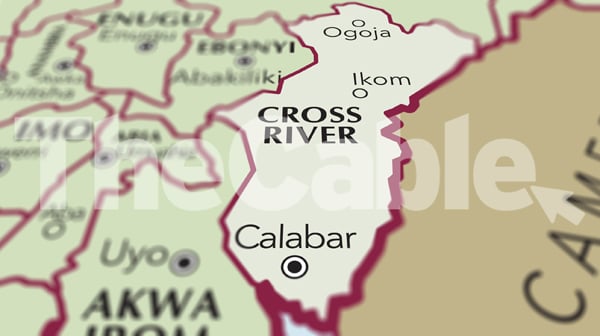
The youth literacy for males in Ibibio is 57.7% and for females, 62.2%. Akwa Ibom State, Cross River State, and Eastern Abia Statebenefited from community and government literacy programs, which have shown strong improvements in literacy across both genders over the years.
8. Other Ethnicities
Other ethnicities like Urhobo/Itsekiri / Isoko/Calabar, and many others, fall under this category. For example, Urhobo (Delta), Itsekiri (Western Niger Delta), Isoko, and Calabar/Efik communities have historical ties to early education via missionaries/trade.
9. Kanuri
10. Fulani
The youth literacy for Fulani men is 26.2% and 13.8% for females. This tribe is traditionally nomadic, which makes formal education access more difficult.
Education Trends (2000 – 2024)
In conclusion, Igbo, Edo, and Yoruba top Nigeria’s educational rankings.