










































The federal government has unveiled a comprehensive national plan to eliminate lead poisoning in Nigeria, warning that there is no safe level of exposure to the toxic metal which has continued to claim lives and threaten the health of children and adults across the country.
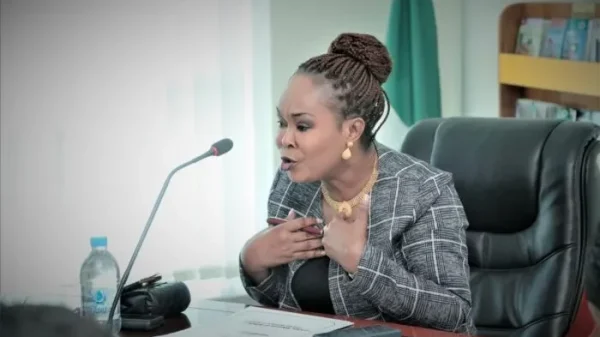
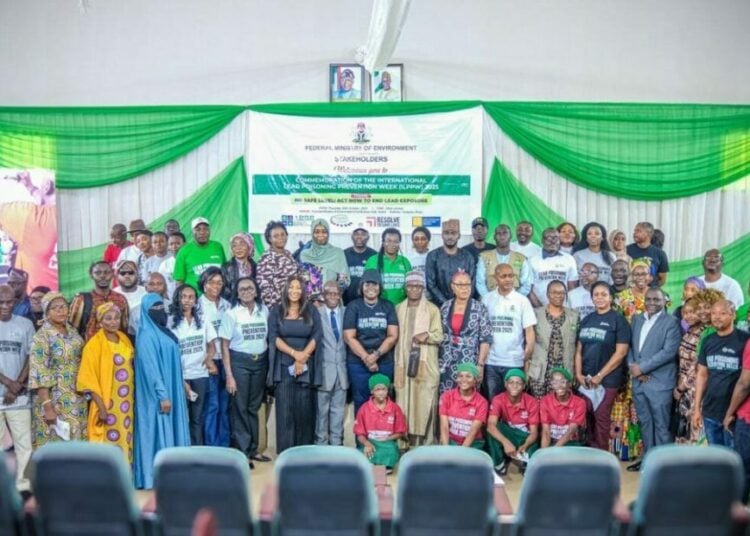
Coordinating Minister of Health and Social Welfare, Prof. Muhammad Ali Pate, made this known during the maiden commemoration of the National Lead Poisoning Elimination Day held in Abuja.
The event, themed “No Safe Level: Act Now to End Lead Exposure,” brought together government officials, health experts, and development partners to renew collective efforts against lead poisoning.
To address the crisis, the minister announced that the federal government has developed a National Lead Elimination Policy and a Five-Year Strategic Plan to guide prevention, detection, and response efforts across key sectors, including Health, Environment, Mines and Steel Development, Agriculture, and Water Resources.
He said an Inter-Agency Working Group on Lead Poisoning Elimination was inaugurated in September 2025 to strengthen surveillance, review existing regulations, and mobilize sustainable financing to eradicate lead poisoning in Nigeria.
Pate disclosed that with support from Médecins Sans Frontières (MSF), the government has provided laboratory equipment to high-risk states to expand blood lead testing capacity. Children with elevated blood lead levels have also received treatment, while nationwide sensitization campaigns have promoted preventive measures such as handwashing, safe water use, and hygienic dust control.
Looking ahead, Pate said the ministry will formally launch the National Lead Elimination Policy and Strategic Plan, expand diagnostic and laboratory networks, strengthen surveillance systems for vulnerable groups, ensure access to treatment, enforce regulations to reduce lead in paints and consumer products, and sustain public education campaigns.
He reaffirmed the federal government’s commitment to working with international partners under the WHO and United Nations Environment Programme (UNEP) to end lead poisoning in Nigeria.
“Together, let us act with urgency and unity to create a safer, healthier Nigeria, one where every child can live, learn, and grow free from the dangers of lead exposure. Protecting our children from lead poisoning is protecting the future of our nation,” Pate said.